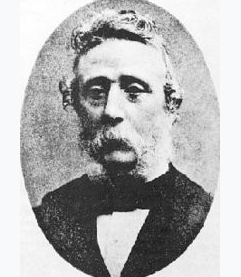
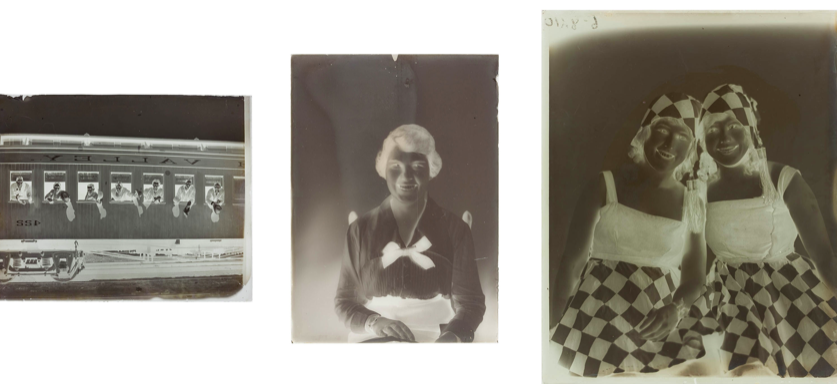
Richard Maddox, an Englishman, sought to join the industry of photography in 1871 after the usage of collodion became public. Instead of repeating past steps, Maddox developed a method that allowed gelatin to be used instead. This idea was developed by Maddox, but edited and finally sent off into the world by Charles Bennet. Bennet discovered that the plates covered in gelatin were able to reach a relatively high sensitivity at 32 degrees Celsius. These gelatin and bromide mixture plates were able to be stored until used and then their exposure time exceeded no more than a second. This discovery by Bennet allotted for devices to make their way into cameras that could take in light at a rate of 1/100th or 1/1000th of a second. In 1880, the high sensitivity of these plates made the notion to evaluate this intensity a new beginning for the field of photography.
 Health-Ade Photography