
Photography is being elevated with each new step in innovation. Technology opens up doors for new opportunities. With new technology readily available, photography is able to be manipulated in order to attain its goal. With the addition of Photoshop there are positive benefits for the public as well as negative. Animation and other industries employing this program are able to create new worlds and exploit imagination in order to successfully edit and design unheard of subjects. However, this usage becoming more and more mainstream adds to the negative downside of this program for its unrealistic expectations. Individuals, both male and female, utilize photography now for a status symbol in order to attain instant gratification for their successes. The negative feedback Photoshop brings in terms of a before and after photo alters the individuals perception of themselves. They soon become obsessed with the idea of how they look, but how they look to the world. It’s a crazy phenomenon to experience, nonetheless to watch happen around you. I believe if Photoshop wasn’t advertised as much as it is with editing photos and blurring flaws, the world would allow itself to have more self-respect. The people who feel they aren’t worthy enough to expose their perfect imperfections can finally see the beauty they offer. Although this may be the dream, photography is a growing industry and editing photos is along for the line. I see more and more programs being readily accessible as technology improves for individuals at home to edit their photos and send them out to the world. In an environment currently occupied by the idea of unrealistic expectations we are in for a rude awakening. I saw we take a look back at photography’s earliest investors and learn a few things about the simplicity of capturing a moment.
Tag: Photoshop



Has Photoshop Gone too Far?
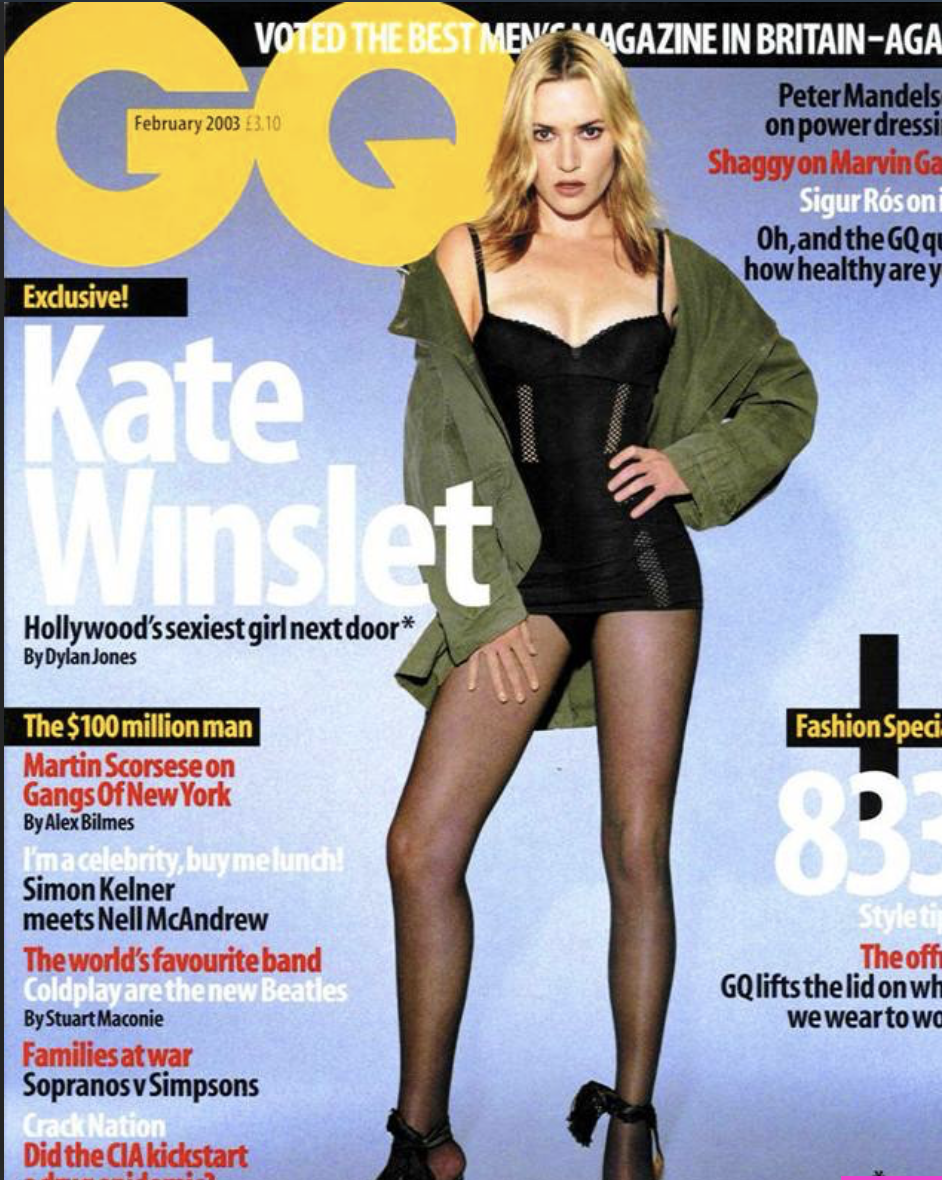
Altering bodies is becoming more and more prevalent within the fashion industry. Celebrities and models who are featured on magazine covers are beginning to lash out at such companies who they believe are editing their images. For example, the Huffington Post wrote about Kate Winslet and Brad Pitt, two of Hollywood’s well-known individuals, standing up against these types of edits. Kate Winslet stood against GQ Magazine for digitally altering parts of her body. These edits made her much more thin than she is. Brad Pitt stated that he asked for no retouching on his cover for W magazine and he even hand selected his photograph, Chuck Close. Chuck Close is a photographer that is well-known to expose skin flaws and not retouch his photos by any means. More and more people whether celebrities or models or not, are seeing the flaws in this program and are curious how this could affect the future off photography. If you only rely on a program to get the perfect shot, is there such thing as taking the photos any more. A photographer should aim for getting the right picture as she or he is taking it, not the other way around. Photography is a sacred art that is being interrupted by the potential of an outside helper, Photoshop. However, Photoshop can provide methods to be able to create magical wonderlands and aid industries that focus not on retouching photos and manipulating them, but on the creation of a new world. Only time will tell though how much the public will lean toward the creation of something versus the edit.
How can Photoshop strip away self-confidence?
Flawless celebrities and slight to none imperfections are creating a culture that takes the basis of photography and manipulates it. In certain instances the reliance on a filter or a “touch-up” becomes the primary action when editing a photo. Photoshop’s original design was compatible with taking a grey-scale image and bringing it into monochrome display. Now it has a higher purpose of distorting images and creating a whole new subject than previous. The applications of this program can have mutually beneficial effects. In some instances it cane be used to create wondrous illusions that don’t trigger a societal expectation and instead paint an image that curates itself off of imagination. However, based on a UK survey of 2000 individuals, 15-24 year old females utilize a program like Photoshop today in order to alter their image because they do not feel confident within their own imperfections. Licensed psychologist, Dr. Sarah Ravin, theorizes that Photoshop makes BOTH men and women more dissatisfied with their appearance. Ravin states,“I think that while Photoshop is a wonderful tool, it has been overused. She also said that, “Photoshop has made society believe that it is normal to be flawless and to have perfect proportions, and that’s not true.” Photoshop can provide an unique outlet for creative juices to flow, but it does present some alarming issues that should be spoken about more in a public forum.
The Beginning of Photoshop
Photoshop was established in 1987. John and Thomas Knoll, the founders of this program, was working at the time with Industrial Magic and Light, the special effects branch for Lucasfilm. They derived this idea from Adobe Illustrator which was already established by Adobe. The Knoll brothers sold the program to Adobe and it blew up massively. Personal computers were running this program individually by the early 1990s. The software took off and photoshop became a more diverse industry allowing different fields to use it. For example these can include but aren’t limited to: publishing, medicine, film, web design, advertising, engineering, and architecture.
 Health-Ade Photography