The Student Becomes the Master

Unfortunately, Nicéphore Niépce passed away in 1833 and his partner in crime, Louis Jacques Mandé Daguerre invented his own prototype five years later in 1838. This “daguerreotype” had a very similar concept to that of Niépce’s. A silver plate would be exposed to the camera where then mercury vapors would interact with the silver iodide coating on the plate to lament the image on the plater after being exposed to light. This finding led Daguerre and many other members within this community to idealize this into the overall concept of light exposure. Daguerre’s prototype’s exposure to light took less than 30 minutes for the image to develop. After the final image is set he would touch it up with salt water.
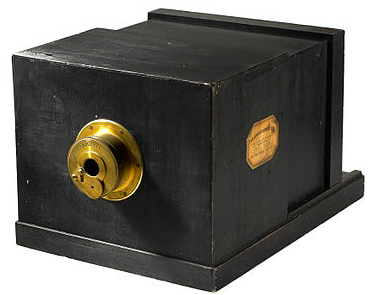
https://en.wikipedia.org/wiki/Daguerreotype

The History Behind Photography: Nicéphore Niépce himself

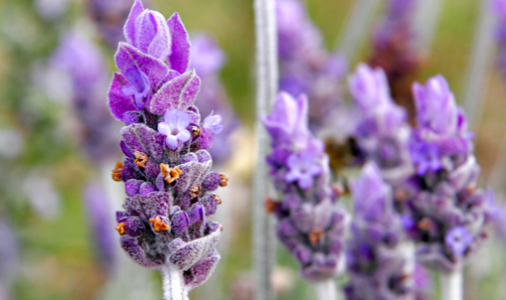
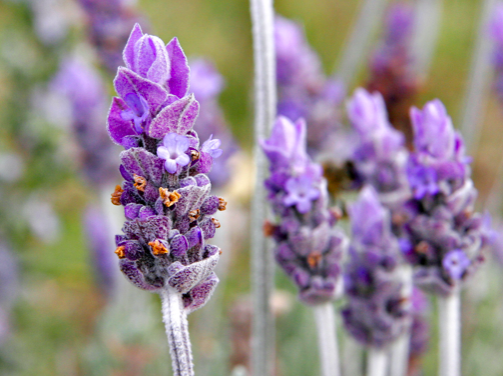
A variety of different methods have been developed over the last two centuries photography has been around. In 1824, Nicéphore Niépce developed a machine that would project an image onto a silver plate after a few days of being exposed to light. After years of perfecting his concept, Niépce and his fellow colleague Jacques Mandé Daguerre in 1832 paired their current methods with lavender oil residue to quicken the process in which photographs would develop. Now instead of a few days, they were able to see the developed image in a matter of one day.

“I must now do three things: (1) give more sharpness to the representation of the subject; (2) transpose the colors; and (3) fix them permanently, which will not be the easiest of the three.”

Nicéphore Niépce, 1816 ( http://photoquotations.com/a/512/Joseph+Nicéphore+Niépce)
https://en.wikipedia.org/wiki/Lavandula