
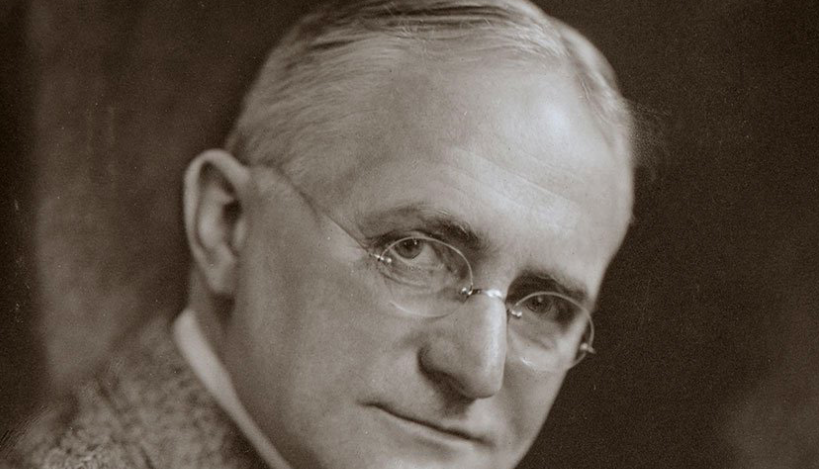
If you don’t know who George Eastman is, well, he’s the Kodak founder. In 1888, Eastman derived the idea of the supple base where glass plates were replaced with celluloid rolls.
All these years there was something missing: color. All the developments of photography were in the mechanisms to take the actual photo. Eventually members of the photography community began to experiment with the concept of color. These first attempts were tried by Edmond Becquerel in 1848. Abel Niépce de Saint-Victor also joined the color game in 1851 and with his usage of the silver plate coated with the silver chloride solution used so heavily was able to reproduce colors to the image directly. However, this process was not very easy to control. Louis Ducos du Hauron in 1869 made the very first color photograph by using light decomposition in the primary colors (red, yellow and blue). He used this process three separate times and each with a different filter color. Eventually the positives that were developed Hauron dyed with the corresponding color of the filter.
In 1891 Gabriel Lippman discovered a way to obtain photos with colors one one singular plate. For this invention, Lippman was honored the Nobel prize in 1906. Also in 1906, the concept of mono plating colors was able to be done by any average Joe. The Lumière brothers added to this plating process, by having trichromatic synthesis. They accomplished this feat by having different microfilters with their primary colors.
Next, the chromogens. In 1911, R. Fisher developed the chromogens which gave color in photography a whole new level. In 1935 Agfacolor films utilized the trichromatic principle. They did these with three superimposed layers of blue, green, and red. These colors were layered with a sensitivity individual to each color invented. This is the premise behind why images then had color. Colors reproduction then caused improvements in lens to be made in order to transmit these colors in an efficient manner.
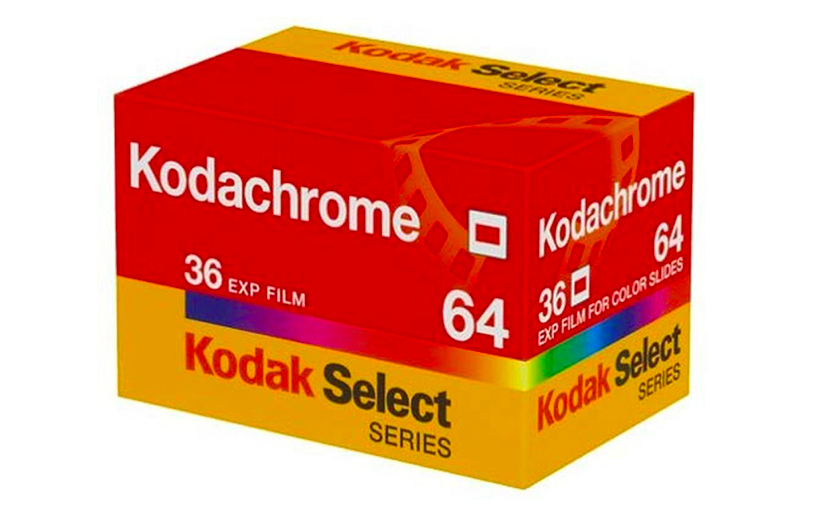
Finally in 1935, L. Mannes and L. Godowsky, made this process even better. Today’s color in film is exponentially more sophisticated based on the developments made by Agfacolor and Kodachrome.

 Health-Ade Photography